National vs Local Pageants: Which Mrs India Pageant Is Right for You?
Understand the difference between national and local pageants for married women. Compare eligibility, exposure, training, competition, opportunities and how to choose the right Mrs India pageant.
 mrsindia

If you are searching for a Mrs India pageant, you may come across many different competitions—some operating at a city or state level and others presenting themselves as national platforms.
But what is the difference between a national pageant and a local pageant?
Which one should you choose?
Does participating in a local pageant help you reach a national platform?
Does a national pageant automatically mean better opportunities?
The answer depends on what you are looking for.
A pageant should not be selected only because of its crown, photographs or social-media presence. Before applying, it is important to understand the organisation, eligibility criteria, judging process, training, fees, exposure, title structure and opportunities associated with the competition.
For married Indian women considering a Mrs India pageant, understanding these differences can help make the decision more informed.
What Is a National Pageant?
A national pageant is generally a competition designed to select titleholders representing a country.
In the Indian context, a national pageant may have contestants participating from different states, cities and regions of India.
A national-level competition can provide a broader platform because participants may come from diverse backgrounds and geographic locations.
Depending on the organisation, a national pageant may involve:
-
Participants from multiple states
-
National-level auditions
-
Regional selection
-
National finalists
-
Professional grooming
-
National-level judging
-
Media opportunities
-
National title categories
-
Potential international opportunities
However, the word "national" alone should not be treated as proof of quality or credibility.
Applicants should research the organisation behind the title and understand exactly what the programme offers.
What Is a Local Pageant?
A local pageant generally operates within a smaller geographic area.
It could be organised at:
-
City level
-
District level
-
State level
-
Regional level
For example, a competition may focus specifically on contestants from Delhi, Mumbai, Bengaluru, Haryana, Punjab or another geographic region.
Local pageants can be useful for women who are participating in a pageant for the first time and want to gain stage experience.
They may provide opportunities to develop:
-
Confidence
-
Stage presence
-
Ramp-walking skills
-
Public speaking
-
Networking
-
Presentation skills
-
Interview experience
However, the exact value of a local title depends on the organisation, its reputation and what opportunities are actually attached to the title.
National vs Local Pageants: The Main Difference
The biggest difference is geographic scope.
| Factor | National Pageant | Local Pageant |
|---|---|---|
| Geographic reach | Countrywide | City, state or region |
| Competition | Often broader | Usually geographically limited |
| Contestant pool | Participants from multiple regions | Participants from a specific area |
| Exposure | Potentially national | Primarily regional |
| Training | May include structured national programme | Depends on organiser |
| Networking | Wider | More local |
| Media opportunities | Potentially broader | Usually regional |
| International opportunities | May exist depending on organisation | Depends on organiser |
| Travel | May require national travel | Often more convenient |
| Cost | Can vary significantly | Can vary significantly |
| Title recognition | Depends on organisation | Depends on organisation |
These are general differences. Every pageant has its own rules and structure.
Is a National Pageant Better Than a Local Pageant?
Not necessarily.
This is an important distinction.
A national pageant may provide a wider platform, but that does not automatically make every national pageant more suitable for every contestant.
Similarly, a local pageant can provide valuable experience and networking.
The better question is:
Which pageant is appropriate for your goals, circumstances and expectations?
For example, a woman who wants to gain confidence and stage experience may prefer beginning with a local competition.
Another woman may already have stage experience and want to compete directly on a national platform.
Both choices can be reasonable.
Why Do Women Participate in National Pageants?
Women participate in national pageants for many different reasons.
1. National-Level Exposure
A national pageant can bring together women from different parts of the country.
This creates opportunities to meet contestants from different:
-
States
-
Professions
-
Cultures
-
Communities
-
Age groups
-
Personal backgrounds
The experience can broaden a contestant's network considerably.
2. Personal Development
A national pageant can involve preparation in areas such as:
-
Communication
-
Interview skills
-
Grooming
-
Stage presence
-
Public speaking
-
Confidence
-
Personality development
For many participants, these skills can remain valuable even after the pageant concludes.
3. Personal Branding
Participating in a recognised national platform may become part of a contestant's personal brand.
However, a title alone does not create a strong personal brand.
A sustainable personal brand is built through:
-
Authenticity
-
Expertise
-
Consistent communication
-
Achievements
-
Social contribution
-
Professional work
4. Networking
National pageants can bring together women from different professions.
A contestant may meet:
-
Entrepreneurs
-
Doctors
-
Lawyers
-
Teachers
-
Artists
-
Corporate professionals
-
Social workers
-
Media professionals
-
Business owners
These connections can sometimes become valuable professional or social relationships.
Why Do Women Participate in Local Pageants?
Local pageants also have important advantages.
1. Easier Accessibility
A local competition may be easier to attend because the audition, training and events can be closer to home.
This can be particularly useful for women managing:
-
Families
-
Children
-
Jobs
-
Businesses
-
Household responsibilities
2. First Pageant Experience
For someone who has never participated in a pageant, a local competition can provide an introduction to:
-
Stage performance
-
Ramp walking
-
Interviewing
-
Photography
-
Public speaking
-
Pageant etiquette
It can help a contestant understand whether pageantry is something she genuinely enjoys.
3. Local Networking
A local pageant may help contestants connect with people in their own region.
These relationships can be useful for:
-
Community projects
-
Events
-
Business networking
-
Local media
-
Social initiatives
-
Professional collaborations
Can a Local Pageant Lead to a National Pageant?
It can, but do not assume that every local title provides a pathway to a national title.
Some organisations may have:
-
City → State → National structures
-
State → National selection
-
Regional auditions
-
Franchise-based systems
-
Independent competitions
Others may operate completely separately.
Before joining a local pageant because you expect national progression, ask:
"Does this title provide an official pathway to your national competition?"
Also ask whether the progression is:
-
Automatic
-
Based on placement
-
Based on a separate audition
-
Subject to additional fees
-
Subject to eligibility requirements
Get the answer in writing where possible.
National Pageant vs State Pageant
A state-level pageant sits between a local and national platform in terms of geographic scope.
For example, a state pageant may select a titleholder representing:
-
Haryana
-
Maharashtra
-
Karnataka
-
Tamil Nadu
-
Rajasthan
-
Uttar Pradesh
-
West Bengal
The title structure and progression rules differ between organisations.
A state pageant may provide a valuable platform for women who want recognition within their state before seeking broader opportunities.
National Pageant vs City Pageant
A city pageant usually has the narrowest geographic reach.
For example, a city-based pageant may focus on contestants from:
-
Delhi
-
Mumbai
-
Pune
-
Bengaluru
-
Hyderabad
-
Kolkata
-
Chennai
City pageants can be particularly accessible to first-time participants.
However, applicants should carefully examine whether the title has any broader recognition or progression opportunities.
How Should You Choose Between a National and Local Pageant?
Before paying a registration or participation fee, ask yourself what you want from the experience.
Choose Based on Your Goal
If Your Goal Is National Exposure
A national platform may be more appropriate.
Look for:
-
National contestant participation
-
Clear national title structure
-
Transparent selection process
-
Established event history
-
Media presence
-
Professional training
-
Clearly explained opportunities
If Your Goal Is Confidence Building
A local pageant may be a comfortable starting point.
You may benefit from:
-
Stage practice
-
Public speaking
-
Grooming
-
Networking
-
Local events
If Your Goal Is International Representation
Research the organisation very carefully.
Do not assume that winning any national pageant automatically gives you an international title.
Ask:
-
Is international representation included?
-
Which international organisation is involved?
-
Is the opportunity guaranteed or selective?
-
Are additional fees applicable?
-
Who pays for international travel?
-
Who handles accommodation?
-
Are there visa requirements?
-
What are the international eligibility rules?
National Pageant vs Local Pageant: What About Fees?
There is no universal rule that national pageants cost more than local pageants.
Costs can vary significantly depending on the organisation and programme.
Potential expenses may include:
-
Registration
-
Audition
-
Participation
-
Training
-
Travel
-
Accommodation
-
Wardrobe
-
Styling
-
Photography
-
Additional events
A lower fee does not necessarily mean a better value.
Likewise, a higher fee does not automatically mean a more credible pageant.
The important question is:
What exactly does the fee cover?
What Should You Check Before Paying?
Whether the competition is national, state or local, conduct basic due diligence.
1. Check the Official Website
Look for:
-
Organisation details
-
Contact information
-
Eligibility
-
Registration process
-
Terms and conditions
-
Event information
-
Previous editions
2. Check the Organiser
Find out:
-
Who organises the pageant?
-
Is the organisation clearly identified?
-
How long has the pageant been operating?
-
Are previous editions documented?
3. Understand the Title
Do not judge a pageant only by the title.
Find out:
-
What exactly is the title?
-
Who awards it?
-
What geographic area does it represent?
-
Is it a national or regional title?
-
What obligations come with it?
4. Understand the Judging Criteria
A credible applicant should know what she is being judged on.
Possible criteria may include:
-
Personality
-
Communication
-
Intelligence
-
Talent
-
Confidence
-
Stage presence
-
Social impact
-
Overall presentation
The exact criteria depend on the organisation.
Why the Organisation Matters More Than the Word "National"
The word national can sound impressive, but applicants should look beyond the label.
Two organisations may both use national terminology while offering very different experiences.
Evaluate:
Organisation + transparency + experience + judging + training + opportunities + value
rather than simply:
National = better
This approach can help applicants make a more informed decision.
What About Mrs India Queen of Substance?
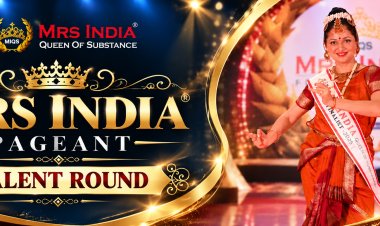
Mrs India Queen of Substance (MIQS) is a pageant platform focused on married Indian women.
Its published information describes areas including:
-
Beauty and personality
-
Talent and skills
-
Intelligence and confidence
-
Community involvement
-
Social impact
Published pageant rounds have included Interview, Talent, Question and Answer, Sports, Traditional Costume and Evening Gown.
The exact rules, rounds, fees and event arrangements can change between seasons.
Therefore, anyone interested in participating should check the current official information before registering.
Is Mrs India Queen of Substance a National Pageant?
Mrs India Queen of Substance presents a national platform for eligible married Indian women.
Applicants should still review the current season's eligibility requirements and participation terms directly with the organisation.
For women considering participation, the important question is not simply whether a pageant uses the word "national."
It is whether the platform matches their goals and provides clearly communicated opportunities.
National Pageants and International Opportunities
One of the reasons some contestants choose a national platform is the possibility of progressing to international opportunities.
However, international representation should always be verified.
A contestant should ask:
Which international title is involved?
Do not accept vague statements such as "international opportunity."
Ask for the specific title and organisation.
Is the opportunity guaranteed?
Some opportunities may depend on winning a particular title or meeting additional eligibility criteria.
Are there additional costs?
Clarify:
-
International registration
-
Travel
-
Accommodation
-
Visa
-
Wardrobe
-
Delegate fees
-
Other expenses
Who selects the representative?
Understand whether the representative is:
-
The national winner
-
A specific category winner
-
Appointed separately
-
Selected by the organisation
National vs Local Pageants for Married Women
Married women often have additional considerations when choosing a pageant.
Unlike a student who may have fewer responsibilities, a married woman may be balancing:
-
Family
-
Children
-
Career
-
Business
-
Household responsibilities
-
Travel
-
Social commitments
Therefore, convenience matters.
A national pageant may require travel to different cities.
A local pageant may be easier to manage geographically.
At the same time, a national platform may provide a broader network and exposure.
The right decision depends on the individual contestant.
Can Homemakers Participate in National Pageants?
Yes, provided they meet the pageant's eligibility requirements.
Being a homemaker does not mean that a woman lacks achievements.
Homemakers develop skills such as:
-
Leadership
-
Organisation
-
Time management
-
Decision-making
-
Communication
-
Family management
-
Community involvement
A pageant can provide a platform to showcase these qualities.
Can Working Women Participate in National Pageants?
Yes, subject to eligibility.
Working women can bring professional experience into their pageant journey.
A contestant may use her professional background to strengthen:
-
Interview responses
-
Personal branding
-
Social-impact initiatives
-
Leadership presentation
-
Public speaking
The key is planning around the programme's schedule.
Questions to Ask a Pageant Before Registering
Before making a payment, consider asking these questions:
-
What is the organisation's official name?
-
What is the official website?
-
What are the eligibility requirements?
-
What is the registration fee?
-
Is there an audition fee?
-
What does the fee include?
-
Are there additional mandatory expenses?
-
Where is the event held?
-
How long is the programme?
-
What are the judging criteria?
-
What are the pageant rounds?
-
Is training included?
-
What happens after winning?
-
Is international representation available?
-
Is international representation guaranteed?
-
Are travel and accommodation included?
-
What is the cancellation/refund policy?
-
Who should applicants contact for official clarification?
A transparent organisation should be able to explain these points clearly.
Red Flags When Choosing a Pageant
Be cautious if you cannot get clear answers about:
-
Eligibility
-
Fees
-
Judging
-
Event dates
-
Organisers
-
Title structure
-
Terms and conditions
-
What happens after winning
Also be cautious of claims that sound impressive but cannot be independently verified.
For example:
"Guaranteed international crown"
or
"Guaranteed celebrity career"
should prompt further questions.
A pageant can provide opportunities, but no competition can realistically guarantee a contestant's future success.
National vs Local Pageants: Final Verdict
There is no single answer to whether a national pageant or local pageant is better.
A local pageant may be suitable if you want:
-
Accessibility
-
Local exposure
-
Stage experience
-
Confidence building
-
Community networking
A national pageant may be suitable if you want:
-
Broader exposure
-
National networking
-
A wider contestant pool
-
National-level competition
-
Potential international opportunities
But the organisation behind the pageant matters enormously.
Before registering, compare the rules, reputation, transparency, judging, training, fees, opportunities and expectations.
The crown should not be the only reason you participate.
The right pageant should provide an experience that aligns with your personal goals and values.
Frequently Asked Questions
What is the difference between a national and local pageant?
A national pageant generally brings contestants together from across a country, while a local pageant operates within a city, state or smaller geographic region.
Is a national pageant always better?
No. The right choice depends on your goals, expectations, budget, schedule and the credibility of the organisation.
Can I participate in a local pageant before a national pageant?
Yes, and it can provide useful experience. However, participation in a local pageant does not automatically qualify you for a national competition unless the organisation specifically provides that pathway.
Can married women participate in national pageants?
Yes. There are national pageants specifically designed for married women. Eligibility varies by organisation.
Do national pageants provide international opportunities?
Some may, but international opportunities vary. Always ask for the specific international title, selection process and associated costs.
Are national pageants more expensive?
Not necessarily. Fees vary considerably between organisations and programmes.
Can homemakers participate?
Yes, provided they meet the applicable eligibility criteria.
Do I need modelling experience?
Not necessarily. Many pageants do not require professional modelling experience. Check the specific pageant's current eligibility requirements.
How do I choose a genuine pageant?
Research the organiser, official website, eligibility, judging criteria, fees, previous editions, terms and opportunities before registering.
Ready to Explore Mrs India?
If you are a married Indian woman considering your first pageant, take the time to compare your options carefully.
You do not need to choose a pageant simply because it has a glamorous title.
Look for a platform where you understand:
Who is organising it.
What you are being judged on.
What you are paying for.
What training is provided.
What opportunities are available.
And what happens after the pageant.
For current information about Mrs India Queen of Substance, visit:
Website: www.mrsindiaqueen.com
Phone / WhatsApp: +91 9810417419
Email: info@mrsindiaqueen.com
Instagram: @mrsindiaqueen
Before registering, confirm the current season's eligibility, fees, audition process, dates, venue and participation terms directly with the official team.
Your pageant journey should begin with an informed decision—not simply a crown.